The Emotional Aspects of Creating a Living Will: Starting the Conversation
Discussing a living will can feel daunting. It’s more than just legal jargon; it’s about values, fears, and hopes for the future. For many, the emotional weight can be heavy, often leading to avoidance. Yet, starting this conversation is essential. It not only prepares you for the unexpected but also eases the burden on loved ones during challenging times.
Understanding the Emotional Landscape
Creating a living will isn’t merely a task on a to-do list; it’s an emotional journey. People often grapple with fears related to loss of control, pain, and the unknown. These feelings can surface during discussions, making it challenging to express thoughts clearly. Acknowledging these emotions is the first step toward having a productive conversation.
Many individuals fear the implications of a living will. Will they be seen as giving up? Or, will their family members feel uncomfortable discussing end-of-life care? Recognizing these concerns allows for a more compassionate dialogue with loved ones. It’s important to approach the topic with sensitivity and understanding.
Choosing the Right Moment
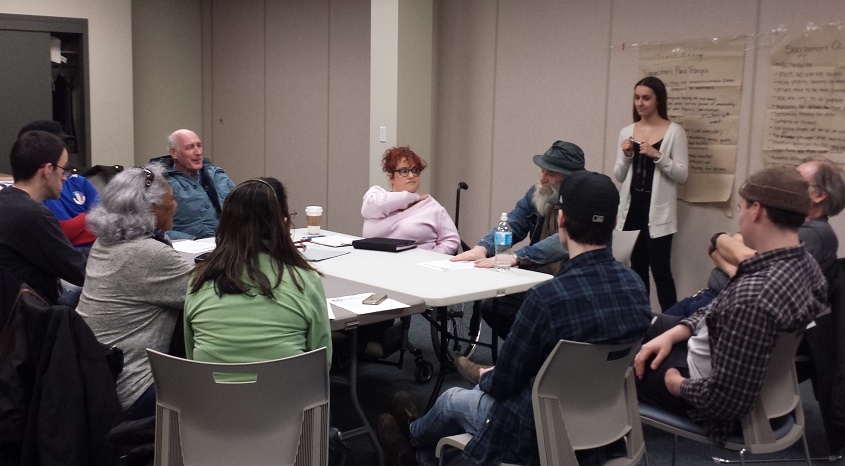
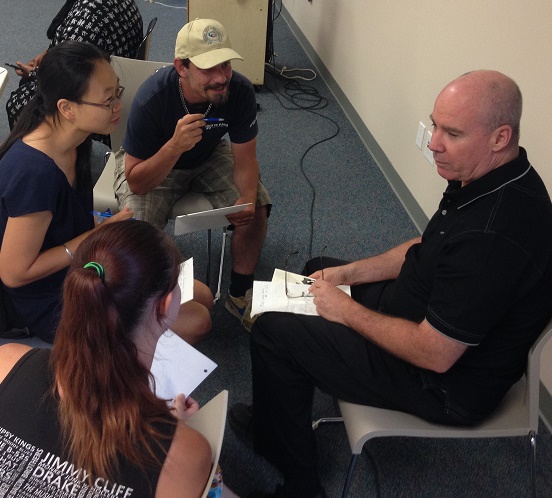
Timing matters when broaching the subject. Finding a calm, private moment can make a significant difference. This isn’t a conversation meant for a rushed dinner or during family gatherings. Instead, it could be a quiet evening at home or a leisurely coffee date. The goal is to create an environment where everyone feels safe to share their thoughts and feelings.
It can also help to frame the conversation positively. Rather than starting with the grim aspects of mortality, focus on the peace of mind that comes with having a plan in place. Emphasize the love and care behind the decision. This approach can soften the emotional impact and encourage open communication.
What to Include in a Living Will
When drafting a living will, clarity is essential. It should reflect your values and preferences regarding medical treatment. Here are key elements to consider including:
- Decisions about life-sustaining treatments
- Preferences for pain management
- Organ donation wishes
- Guidelines for appointing a healthcare proxy
- Instructions about resuscitation efforts
Each of these components presents an opportunity to express your wishes. It’s helpful to discuss them with your family or trusted friends beforehand, as this can clarify your intentions and build understanding.
Addressing Family Concerns
Family dynamics can complicate discussions around living wills. Some may feel uncomfortable, while others might have differing views on what care should look like. These differences can lead to conflict, especially during times of emotional distress. Acknowledging these dynamics upfront can help mitigate potential issues.
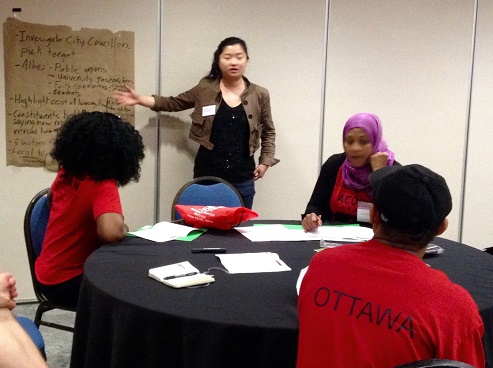
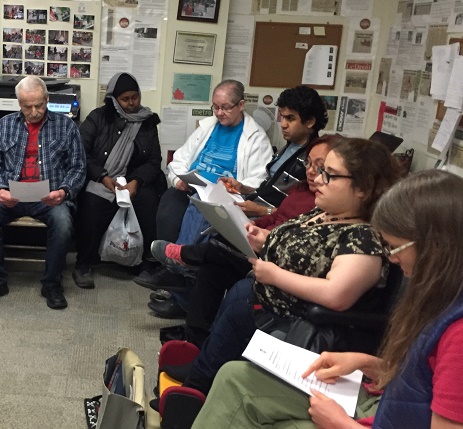
Encourage open dialogue. Ask family members about their thoughts and feelings regarding end-of-life care. This not only provides insight into their perspectives but also fosters a sense of collaboration. When everyone feels heard, it reduces anxiety and strengthens family bonds. If necessary, consider involving a mediator, such as a therapist or counselor, to facilitate the conversation.
The Legal Side: A Resource for Clarity
Legalities can feel overwhelming, but understanding your rights and options is important. Resources like guidelines for New Jersey Separation Agreement can provide valuable information, especially if you’re navigating state-specific laws. Knowing the legal framework helps alleviate fears about the unknown and empowers you to make informed decisions.
Sharing Your Wishes with Healthcare Providers
A living will is only effective if it’s known and understood by your healthcare providers. Once you’ve created the document, share it with your doctors and medical team. They need to be aware of your preferences to honor them effectively.
Consider having discussions with your healthcare providers about your values and beliefs. This can guide them in making decisions that align with your wishes. It’s also wise to revisit these conversations regularly, especially as circumstances change in your life or health.
Following Up with Loved Ones
After initiating the conversation, don’t let it be a one-time event. Periodically check in with your family members. Ask how they feel about what was discussed and if they have any new questions or concerns. This ongoing dialogue can help reinforce understanding and ensure everyone is on the same page.
Being proactive about these discussions is important. The more open and honest conversations you have, the less burden your loved ones will face when tough decisions arise.